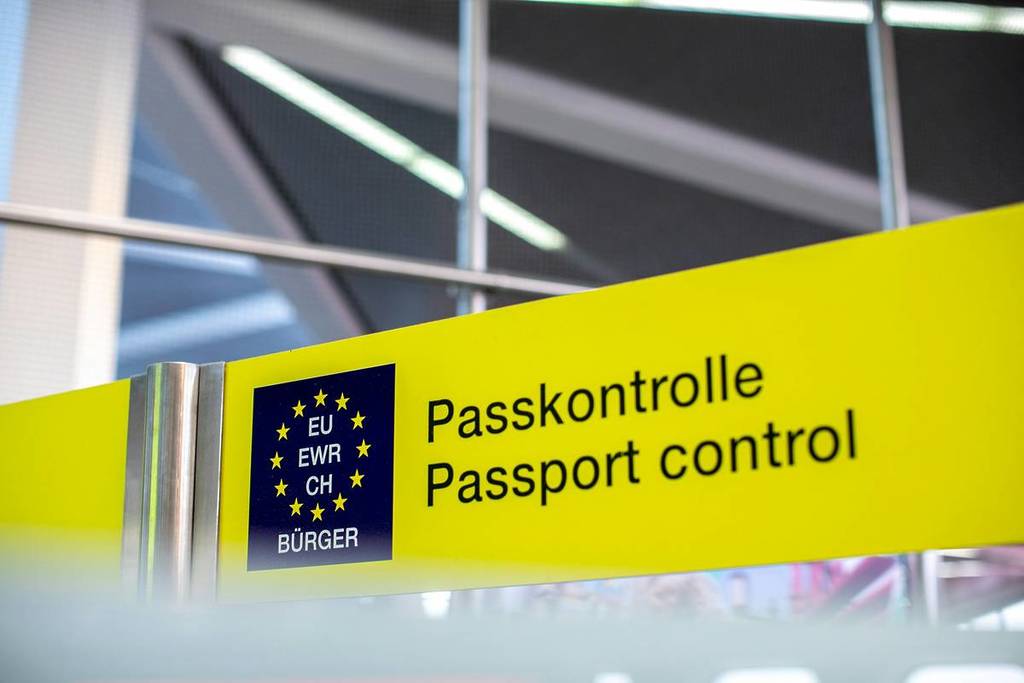
Dreaming of a holiday in Europe? You might want to go sooner rather than later, because from late 2026, you’ll need to apply for a travel authorisation in order to enter 30 European countries for a short stay. This authorisation, known as an ETIAS, will cost 20 Euros, or about $36 AUD. It will be linked to your passport, and stay valid for up to three years, or when your passport expires. While an official date hasn’t been announced yet, ETIAS is expected to begin in the last quarter of 2026.

ETIAS for Australian travellers
The European Travel Information and Authorisation System (ETIAS) will apply to travellers from 59 visa-exempt countries and territories, including Australia, New Zealand, Canada, Japan, Singapore, South Korea, the United Kingdom and the United States.
With an ETIAS, you can enter 30 countries in Europe for as often as you want for short-term stays, which is normally up to 90 days in a 180-day period. When you arrive at your destination, a border guard will ask to see your passport and other necessary documents, in order to check that you meet entry conditions. Please note that having a valid ETIAS does not guarantee entry into the country.

Which countries will you need it for?
- Austria
- Belgium
- Bulgaria
- Croatia
- Cyprus
- Czechia
- Denmark
- Estonia
- Finland
- France
- Germany
- Greece
- Hungary
- Iceland
- Italy
- Latvia
- Liechtenstein
- Lithuania
- Luxemboug
- Malta
- Netherlands
- Norway
- Poland
- Portugal
- Romania
- Slovakia
- Slovenia
- Spain
- Sweden
- Switzerland
Once the ETIAS system is operational, you’ll need to apply for it well in advance of your travel plans. Most applicants will receive their approval within minutes, but the process could last up to a month depending on your situation.
The application fee was previously meant to be 7 Euros, but has since been increased to 20 Euros in order to cover operational costs and a rise in inflation. While most Aussies will need to pay the fee, there are some exemptions. Travellers who are under 18 or above 70 don’t need to pay the application fee. Family members of EU citizens or of non-EU nationals who have the right to move freely throughout the European Union are also exempt.

Entry/Exit System (EES)
If you’re travelling before late 2026, you won’t need to worry about the ETIAS. However, there is a new system being rolled out that you should be aware of. This is the Entry/Exit System (EES), and it’s coming to 29 European countries from October 12, 2025.
This will replace passport stamps with a digital system in order to make border checks safer and more modern. It will register any non-EU nationals, including Australians, coming in for a short stay.

When you arrive at your destination, passport control officers will scan your fingerprints or take a photo of your face. Then, the next time you travel to Europe, your data will already be in the system, so the passport control officer will only need to verify your prints or photo.
Records of entries, exits and refusals of entry are kept for 3 years, and individual files with personal data are kept for 3 years and one day, starting from the date of your last exit or of your refusal of entry.
To learn more about EES, click here. To find out more about the ETIAS, click here. And for any advice about travelling to Europe from Australia, including visa requirements, click here.